To organize a small refrigerator, remove what you won’t use, group similar foods, and make everything easy to reach. Good small refrigerator organization gives you a clear view of what you have, without filling every gap with another organizer.
When space is tight, oversized packaging and hidden leftovers can make the fridge feel smaller than it is. Start with your existing shelves and containers, then add storage only where it makes putting food away easier.
Key Takeaways
- Sort one shelf at a time so your kitchen stays usable during the reset.
- Group foods around your daily routine, and leave room to reach behind each container.
- Try existing washable containers before buying bins, and measure both storage space and removal clearance.
- Keep leftovers visible, preserve useful food information, and review the fridge before shopping.
Start Small Refrigerator Organization With a Reset
You don’t need to empty the entire refrigerator onto a crowded apartment counter. Work through one manageable area, then return food before starting the next.
Sort One Shelf at a Time
Take out the contents of one shelf or compartment. Group matching products so you can spot duplicates and partly used packages.
Discard food that’s no longer safe to eat. Don’t taste questionable food to decide whether to keep it. Set aside usable ingredients that need attention soon, then wipe the empty area and let it dry before returning food.
Next, notice what caused the crowding. Several open packages need a different solution than containers you can’t reach. Solving the actual problem saves you from buying storage that adds another obstacle.
Keep Cooling Part of the Setup
An organized refrigerator still needs to maintain a safe temperature. FoodSafety.gov’s cold food storage chart specifies 40°F (4°C) or below for refrigerated food.
Use a refrigerator thermometer to see the temperature rather than judging it by how cold the air feels. Also leave ventilation openings unobstructed when rearranging containers.
Our approach to storage for everyday tasks starts with the same practical question: can you retrieve what you need without unpacking everything around it?
Create Groups That Match Your Daily Routine
Organizing a compact fridge works better when each group has a clear purpose. You should be able to explain the arrangement without remembering a complicated system.
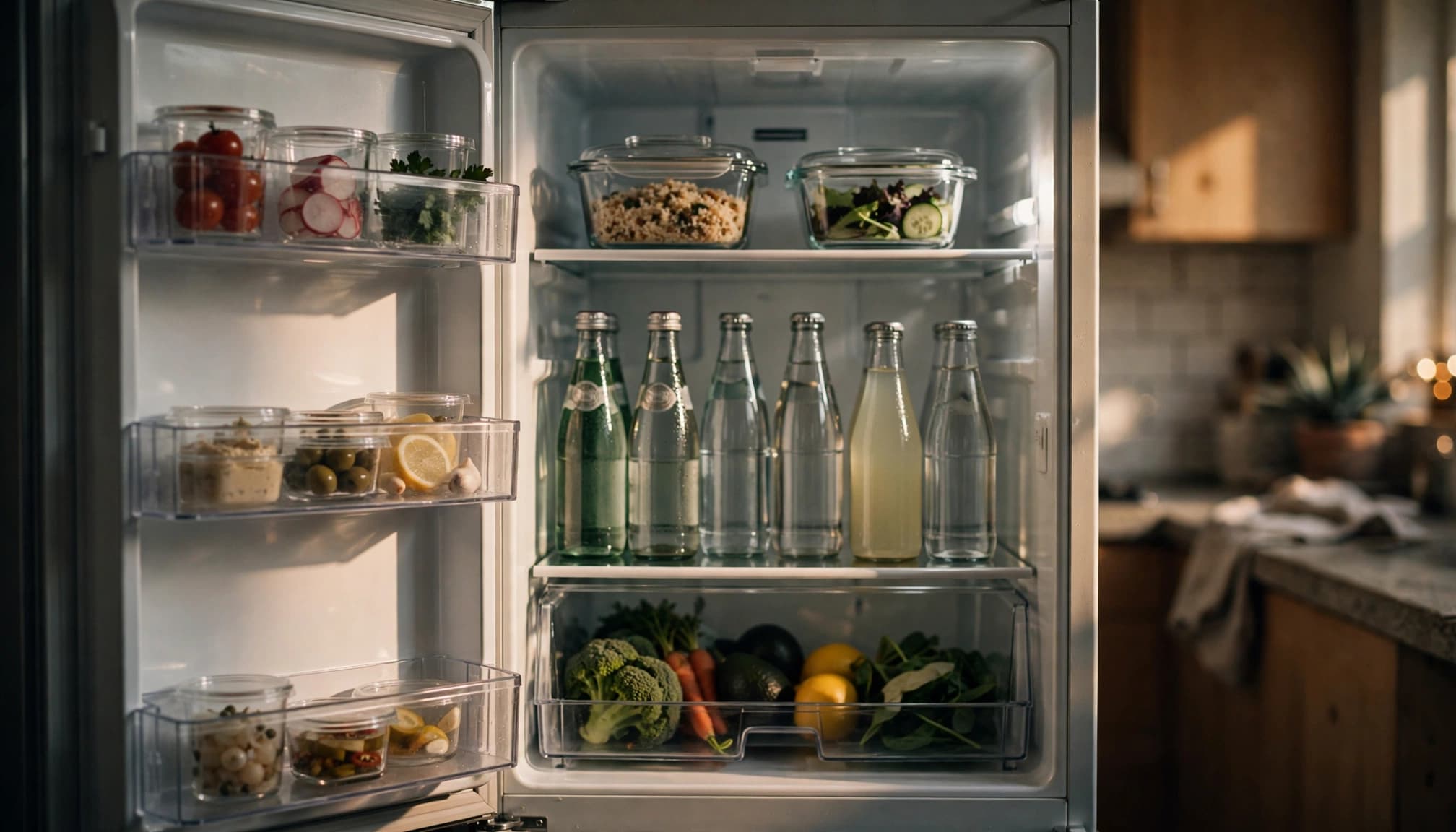
Keep Related Items Together
Group foods you regularly use together where practical. Breakfast supplies or ingredients for a planned meal are useful categories because they match an actual task.
However, avoid putting every loose item into one general-purpose bin. A container becomes less helpful when you must search through unrelated packages.
Choose categories broad enough to accommodate changing groceries. If a section only works when you buy exactly the same items, you’ll spend too much time rearranging it. In a shared apartment, agree on the group names so everyone can return food easily.
Leave Room for Normal Use
Reserve some flexible space for incoming groceries or a container that doesn’t match your usual arrangement. A shelf packed edge to edge leaves you nowhere to put something temporarily while reaching behind it.
Also keep container openings accessible. You shouldn’t need to dismantle a stack whenever you want one ingredient.
A bin can fit on the shelf and still make the fridge harder to use if you can’t pull it out comfortably.
This is where small-space organization needs restraint. Usable space matters more than the number of containers you can squeeze inside.
Choose Containers by Access, Not Appearance
Before buying refrigerator organizers, identify what needs containing. Loose packages may benefit from a shared bin, while an already tidy group may need no extra storage.
Test What You Already Own
Try a clean, washable container you already have to group packaged items. Use containers intended for direct food contact whenever food will touch their surfaces.
Test the arrangement through normal meals before buying replacements. Notice whether you lift the container out, reach into it, or keep moving it aside.
That short trial can reveal an unnecessary purchase. For renter-friendly storage, loose containers are also easy to remove and take to your next home. You don’t need permanent fittings to make the refrigerator easier to use.
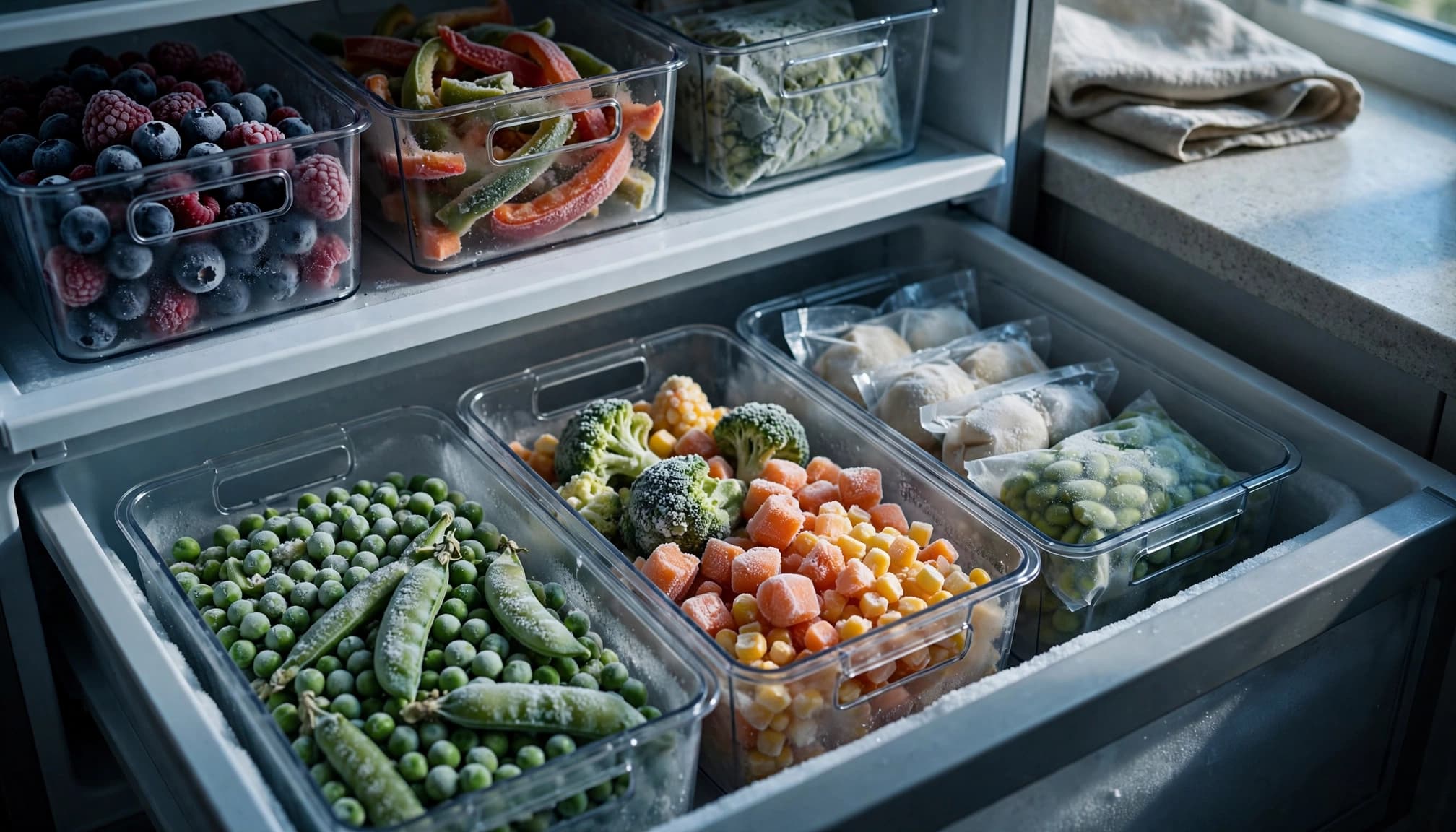
Measure the Opening and Removal Space
Measure usable shelf width, depth, and height, including anything that projects into the space. Then consider the room needed to lift or slide the container out.
The open refrigerator door matters, too. A container may sit neatly inside but catch against a door compartment when you remove it. Include handles and lids in your measurements.
Avoid buying a matching set before testing one container. Different shelf areas may need different arrangements, and some may work best without a bin.
Make Leftovers Easy to Identify and Use
Leftovers take up less mental effort when you can tell what they are and when you prepared them. Give them a consistent, visible grouping rather than distributing them wherever a gap appears.
Keep Useful Information With the Food
Label covered leftovers with the contents and preparation date. For packaged foods, retain storage instructions and useful information if you remove the outer packaging.
Don’t combine new food with older leftovers in the same container. Empty and clean the container before using it again.
A date label helps you track food, but it doesn’t replace safe handling. Similarly, a tidy container doesn’t make uncertain food safe. Keep the information you need to make sensible decisions instead of relying on appearance alone.
Put Food Away Before Finishing the Reset
FoodSafety.gov’s guidance on refrigerating leftovers says perishable items should go into the refrigerator within two hours. Don’t leave dinner out while you finish organizing the rest of the kitchen.
Once food is put away, make your leftovers group easy to scan. Keep labels facing outward where possible, and avoid hiding one container behind several unrelated products.
Before choosing another meal, look through what you already have. This gives your organization system a practical purpose: helping you use food while it’s still suitable to eat.
Remove Items That Don’t Need Refrigerator Space
Some crowded refrigerators contain food that doesn’t require chilling before opening. Follow the product’s storage instructions rather than assuming every unopened package belongs in the fridge.
If an item calls for cupboard storage, give it a suitable pantry home. Our guide to organizing a small pantry helps separate everyday supplies from unopened backups without adding permanent shelving.
Also reconsider bulky outer packaging. Remove it only when the inner packaging keeps the food properly contained and you can retain necessary information. Decanting everything creates extra washing and can waste space.
For small kitchen storage, keep unopened pantry duplicates together rather than scattering them across cupboards. You’ll see what you own before buying more, and refrigerated groceries won’t have to compete with items that belong elsewhere.
Keep the Arrangement Working Between Shopping Trips
A useful setup should survive an ordinary week. If putting groceries away takes a long time, simplify the categories or remove an organizer that creates extra work.
Use this short routine before and after shopping:
- Look through the fridge before writing your list. Note what needs using and which products you already have open.
- Buy quantities that fit your available space and realistic meal plans. A multipack offers little convenience if you can’t store its contents accessibly.
- Put new purchases behind older matching products where practical. Return each group to its usual place, then wipe any spills.
For a shared fridge, explain the arrangement once instead of relying on everyone to guess. Keep personal and shared food boundaries clear if your household needs them.
If one category repeatedly overflows, adjust its space or how much you buy. Don’t keep squeezing it into a container that no longer suits your routine.
Common Questions About Organizing a Small Fridge
How Do You Organize a Small Fridge Without Buying Bins?
Start by grouping existing packages, turning labels outward, and removing unnecessary outer packaging. Use your current food-storage containers where they improve access, but leave already manageable items alone.
Then review shelf access. Sometimes moving one awkward container makes a bigger difference than adding several organizers. You can keep the arrangement simple and still make everything easier to find.
How Can You Stop Food Disappearing at the Back?
Avoid placing unrelated foods in several loose rows. Keep matching products together and bring small packages forward as a group when a removable container helps.
Also give yourself a way to see the contents. Outward-facing labels and an unobstructed view reduce searching. Before shopping, look behind the front row rather than assuming the fridge contains only what you can immediately see.
Should Every Shelf Have an Organizer?
No. Add an organizer only when it solves a clear problem, such as packages falling over or small items becoming difficult to retrieve.
A shelf that’s easy to use without a bin can stay that way. Extra containers occupy space and need cleaning, so each one should earn its place through easier access or simpler grouping.
Keep Your Small Fridge Easy to Use
A small refrigerator works better when you can see your food and put it away without rearranging the shelf. Easy access is a more useful goal than matching containers or perfectly filled compartments.
Start with one crowded area and test a simpler arrangement using what you own. Keep the changes that make daily meals easier, and leave unnecessary organizers out.